
Bookkeeping
Bookkeeping services in Liverpool
We keep your records tidy through the year and send you a short monthly report you can actually use.
In short
Tidy books, and numbers you can use.
Books done once a year tell you what happened, eleven months too late. Kept up to date, they tell you where your profit actually comes from, who has not paid you, and whether you can afford next quarter. That is the difference between paperwork you have to do and information you can use.
What is included
- Keeping the books
- Bank feeds, receipt photos and supplier records kept up to date every month or every quarter, and properly checked rather than patched up at the year end.
- Your monthly report
- Something you can read in ten minutes: what you earned and spent, how that compares with last year and your plan, and a short note from us on what changed and why.
- Money in and money out
- A list of who owes you and how late they are, so slow payers show up early rather than becoming a problem.
- Budget and forecast
- We build a plan for the year with you, then show you how the real numbers compare, so surprises come up during the year and not after it.
Who this is for
- Businesses whose records are a carrier bag or a spreadsheet
- Owners who want to see the numbers monthly, not yearly
- Companies about to apply for a loan or investment
- Anyone whose bookkeeper has just left
When it is due
Reports go out monthly or every three months, whichever you prefer, usually within ten working days of the period ending.
We confirm your dates in writing and keep track of them for you from then on.
What our bookkeeping services in Liverpool include
Bookkeeping is recording every sale, cost and bank payment so your figures are complete and correct. Good books mean your tax returns are accurate and quick to prepare. They also let you see how the business is really doing during the year, instead of finding out months after it ends.
We keep your books up to date monthly or quarterly. We work from your bank feed and the receipts you photograph, and check everything against the bank, so the numbers can be trusted.
- Bank transactions matched and coded each month or quarter
- Sales invoices and supplier bills recorded and checked
- Who owes you money, and how long it has been outstanding
- A short monthly or quarterly report on profit and cash
- A budget, and how the business is doing against it
Who needs a bookkeeper?
You might do it yourself and fall behind every busy month. You might have a shoebox of receipts and a bank statement. Or your bookkeeper might have left. All are common, and all are fixable.
Digital records are also becoming compulsory for more people. Sole traders and landlords with qualifying income over £50,000 have had to keep them since April 2026 under Making Tax Digital for Income Tax. The limit drops to £30,000 from April 2027 and to £20,000 from April 2028. Up-to-date books make the quarterly updates straightforward.
- Sole traders who want to stop losing weekends to receipts
- Landlords with several properties, each needing its own income and costs
- Limited companies that need clean records for accounts, VAT and payroll
- Online sellers with sales coming in from more than one platform
- Growing businesses about to apply for a loan, lease or investment
Good bookkeeping is not just data entry. Each item should be coded to the right heading, matched to the bank, and checked for VAT. A cost recorded twice or a sale missed changes your tax. That is why every set of books we keep is checked against the bank statement before any report goes out.
How our bookkeeping works
- 1
A look at your records
In a free 20-minute chat we find out what you have, which software you use and how many transactions you have each month.
- 2
Your price, in writing
A fixed monthly fee, sent within one working day and held for 12 months unless the business changes.
- 3
Catch-up if needed
If your books are behind, we bring them up to date first so we start from a clean position.
- 4
Software set up
We connect your bank and set up receipt capture in the software you use, or move you onto software if you are on paper.
- 5
Regular routine
Each month or quarter we code, check and reconcile, then send you a short report and our notes on what changed.
Bookkeeping, VAT and tax deadlines working together
Your bookkeeping feeds every return you file. When it is current, the deadlines below become routine:
| Return | Due |
|---|---|
| VAT return | 1 month and 7 days after the VAT period ends |
| MTD for Income Tax quarterly update | 7 August, 7 November, 7 February, 7 May |
| Self Assessment return | 31 January after the tax year |
| Company accounts | 9 months after the company’s year end |
How much do bookkeeping services cost?
Bookkeeping is included in your fixed monthly fee along with your returns. Fees start from £99 for self-employed people and landlords, £150 for limited companies, and £220 for growing businesses. Volume of transactions is the main thing that moves the price. See our fees page. If you already have an accountant, we can handle the switch for you.
What we need to get started
- Read-only access to your business bank account, or statements
- Access to your bookkeeping software, if you use one
- Receipts and invoices for the period, on paper or as photos
- Your last accounts or tax return, so we can carry the figures forward
If you are VAT-registered or run payroll, let us know the references too, so we can line your books up with those returns from the start.
Common questions
Which bookkeeping software do you use?
We work with Xero, QuickBooks, Sage and FreeAgent, and with spreadsheets. If you already use one, we stay with it. If not, we suggest one that suits your business.
My books are a year behind. Can you help?
Yes. We do a catch-up first, working from bank statements and whatever receipts you have, then move you onto a regular routine.
Do I have to bring paperwork to your office?
No. Most clients send photos and give us software access. If you would rather hand over paperwork, you can visit our Liverpool office by appointment.
Monthly or quarterly bookkeeping: which is better?
Monthly suits businesses with lots of transactions or staff. Quarterly is often enough for smaller sole traders and landlords, and matches the VAT and MTD quarters.

How we run it
A routine, not a panic
We agree at the start what we need from you and when, and what you get back and when. After that it just happens, without anyone chasing anyone.
You get a written list of every date that applies to you, a reminder before each one, and the filing done early. If something changes in your business we change the plan, instead of finding out about it at the year end.
- Your receipts and bank feed kept up to date
- A short monthly report you can read in ten minutes
- Who owes you money, and who you owe
- A budget, and how you are doing against it
How it works
Four steps, and three of them are ours
Changing accountant sounds like hard work. It is not, and almost none of it falls to you.
 01
A free 20-minute chat
Tell us what you do and what you need. No charge, no pressure and no sales pitch.
 02
A price in writing
Within one working day you get one monthly price and a list of exactly what it covers.
 03
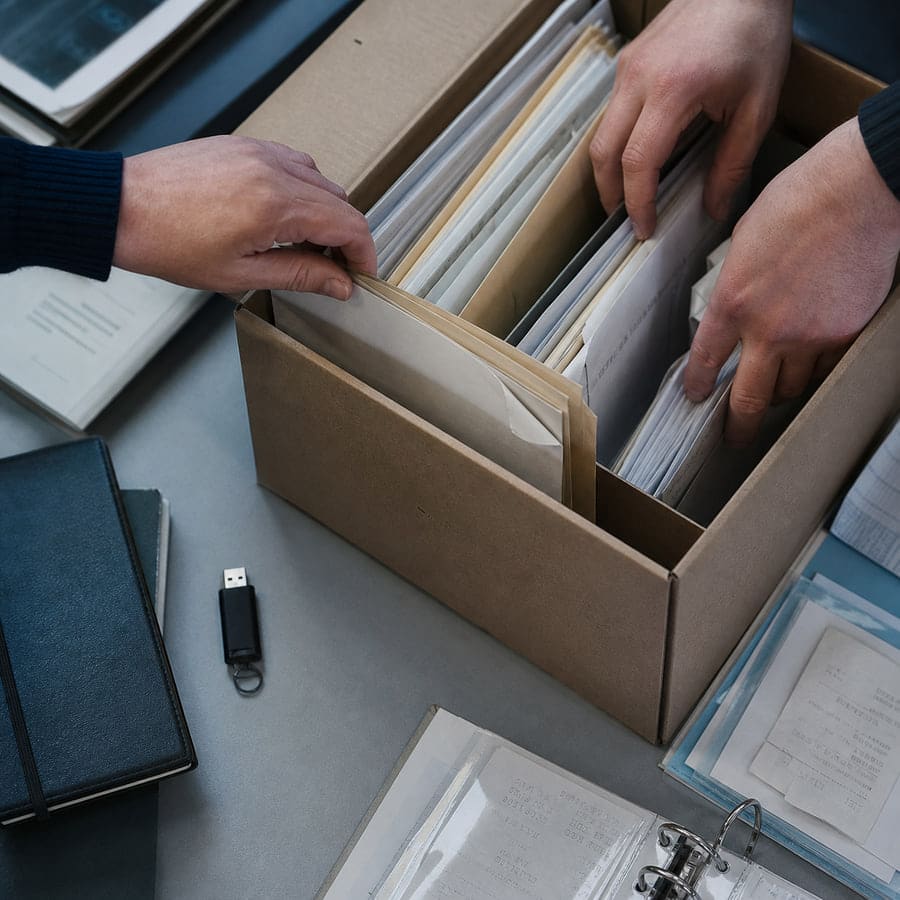
We do the moving
We write to your old accountant, collect your paperwork and register with HMRC. You sign one form.
 04
You stop worrying about it
We remind you before every deadline and file early. You hear from us before you hear from HMRC.

Prices
Find out what it would cost you
A quick look at what you actually need, then one monthly price in writing that does not change unless your business does.
Or call us directly07491 440849